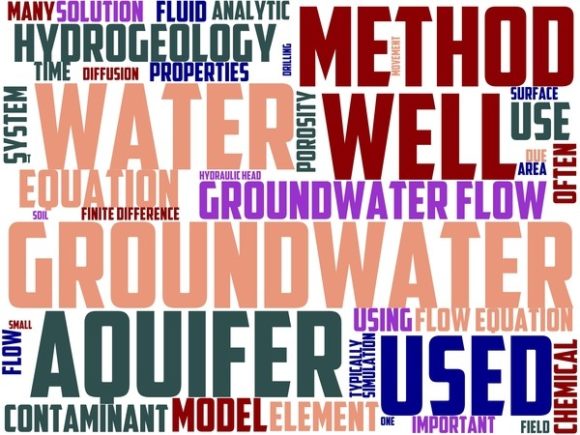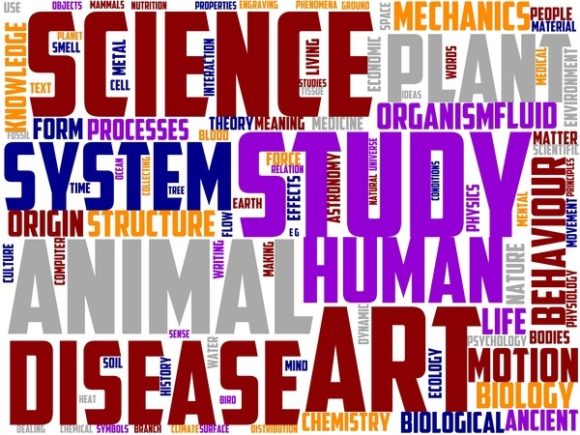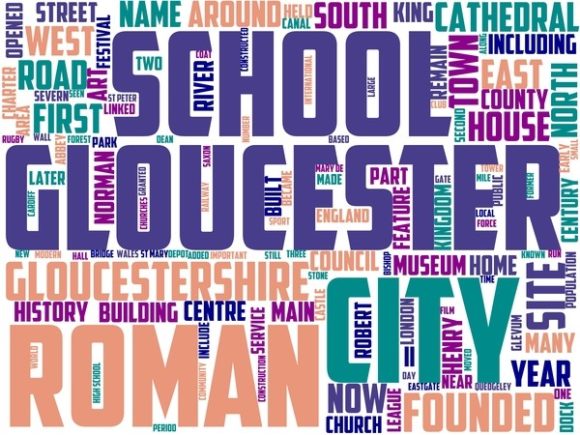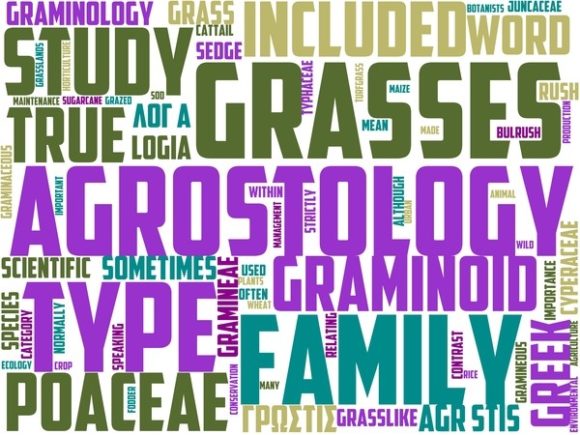
Graminology Wordart Background
Graminology Wordart Background is a hand-drawn, colorful wordcloud designed with intention—not just visual appeal, but functional versatility. Unlike generic clipart or algorithm-generated clouds, it’s crafted with organic line work, balanced spacing, and thoughtful color harmony. Each word flows naturally into the next, avoiding clutter while preserving legibility and charm. That balance makes it unusually adaptable: it reads clearly at small sizes on a business card, holds impact when enlarged for a wall poster, and retains warmth even when printed on fabric or ceramic.
What sets it apart isn’t just aesthetics—it’s purpose-built flexibility. The words aren’t random filler; they’re curated to evoke creativity, growth, connection, and inspiration—concepts that resonate across industries and audiences. And because it’s delivered as a high-resolution, scalable vector or layered PNG, you retain full control over color, layout, cropping, and integration—no pixelation, no licensing surprises, no opaque backgrounds getting in the way of your design workflow.
Creative Uses That Go Beyond Decoration
This isn’t just “pretty background” material—it’s a design accelerator. Think of Graminology Wordart Background as a foundational element you build *around*, not something you layer *on top* of. For example:
- Textile designers use it as a subtle all-over print base for scarves or tote bags—scaling down individual clusters to create rhythm without overwhelming the fabric’s texture.
- Educators and workshop facilitators embed key themes (like “curiosity,” “resilience,” “collaborate”) into handouts or slide decks—not as decoration, but as visual anchors that reinforce learning objectives.
- Small-batch makers screen-print select phrases onto linen tea towels or stitch simplified outlines onto embroidery hoops—keeping the hand-drawn integrity while adapting to craft constraints.
- Bloggers and content creators isolate single words or compact groupings to use as social media story highlights, ebook chapter dividers, or podcast show notes headers—adding cohesion without repeating the same graphic everywhere.
The key is selective emphasis. You don’t need to use the entire cloud every time. Zoom in. Crop tightly. Pull out one phrase and pair it with clean typography. Flip the color scheme to match your brand palette. These small decisions turn a ready-made asset into something unmistakably yours.
Practical Adaptations by Role and Goal
Different users need different things—and Graminology Wordart Background responds well to those needs without requiring advanced design skills.
For marketers and small business owners: Use it in promotional flyers where space is tight but tone matters. A cropped corner of the wordcloud behind a short headline (“Your Vision, Made Real”) adds depth and warmth without competing for attention. On product packaging, apply it as a matte-finish foil stamp on kraft paper—elegant, tactile, and quietly memorable.
For educators and nonprofit communicators: Layer transparency over the wordcloud to soften it, then place student quotes or mission statements directly on top. This creates visual hierarchy while reinforcing shared values. In printed programs or event agendas, use it as a section divider—small, centered, and intentional—so attendees pause and absorb the theme before moving on.
For publishers and indie authors: Integrate fragments into chapter title pages or endpapers of physical books and e-books alike. In digital formats, animate gentle opacity shifts on hover (for web-based editions) or use it as a watermark-style background behind pull quotes—subtle enough not to distract, present enough to unify the reading experience.
For crafters and mixed-media artists: Print it on transfer paper for ceramics or wood, or cut sections from adhesive vinyl for custom stickers and laptop decals. Because the lines are hand-drawn—not rigidly geometric—it ages gracefully with wear, lending authenticity to handmade goods.
Maintaining Clarity and Consistency
When working with any wordcloud-based asset, readability and intentionality are non-negotiable. Here’s how to keep results effective:
- Limit color variation per use case. Stick to 2–3 core colors drawn from the original palette—or invert it entirely (dark words on light background, or vice versa). Avoid adding new hues unless they align with your existing brand system.
- Respect hierarchy. If pairing with body text, ensure contrast meets WCAG 2.1 AA standards (4.5:1 minimum). Test printouts under natural light—what looks fine on screen may fade on matte paper.
- Stay audience-aware. A vibrant, dense version works beautifully for youth-oriented posters or festival banners. For corporate reports or academic materials, simplify: extract 3–5 key terms, increase spacing, and set them against generous white space.
- Preserve original proportions when scaling. Stretching distorts hand-drawn nuance. Instead, crop thoughtfully or reposition elements within your layout to maintain balance.
Consistency doesn’t mean repetition—it means carrying forward the same spirit of warmth, clarity, and human-centered design across every application.
Getting Started—Without Overthinking It
You don’t need a full branding suite or months of planning to begin. Start small:
- Download the file and open it in your preferred editor (Photoshop, Affinity Designer, Canva Pro, or even PowerPoint for quick mockups).
- Try one real-world test: add it to a notebook cover mockup, a coffee cup template, or a simple Instagram post. See how it feels—not just how it looks.
- Ask yourself: Does this support the message? Does it reflect the tone I want to convey? Does it leave room for the viewer to engage—not just scan?
If the answer is yes to all three, you’re already using Graminology Wordart Background well. Inspiration grows from action, not perfection. Every project—from a handmade greeting card to a conference banner—becomes stronger when grounded in tools that respect both craft and clarity.
So go ahead: crop, recolor, layer, simplify, repeat, or reinterpret. Let the hand-drawn quality remind you that good design doesn’t have to be complicated—it just has to serve its purpose, honestly and well.