Gynecology Wordart Tie Dye
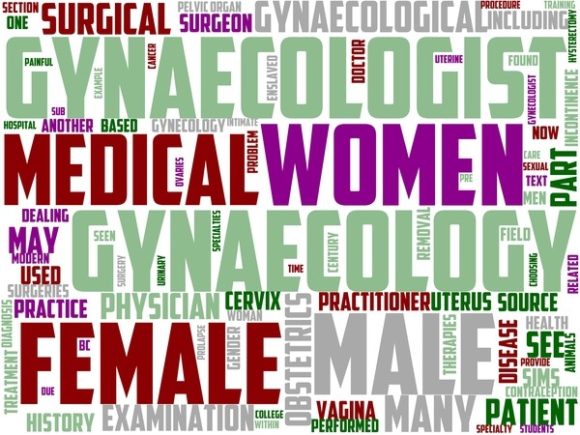
If you're designing for wellness, education, or advocacy in women’s health — especially gynecology — visual language matters. Gynecology Wordart Tie Dye isn’t just another decorative graphic. It’s a thoughtfully composed, hand-drawn word cloud where medical terminology, empowerment phrases, and clinical concepts blend into a vibrant, organic tie-dye aesthetic. Think “menstruation,” “pelvic exam,” “HPV,” “informed consent,” “body autonomy,” and “self-advocacy” — all rendered with warmth, intention, and artistic texture.
This isn’t clipart. It’s crafted to resonate: soft edges, layered watercolor-like gradients, intentional spacing, and a balance between legibility and artistry. The tie-dye effect adds movement and emotional resonance — evoking both scientific precision and human-centered care. That duality makes it uniquely suited for audiences who value evidence-based information *and* compassionate delivery.
Why This Design Fits Real Needs — Not Just Trends
Health communication often struggles with tone. Too clinical? It alienates. Too decorative? It undermines credibility. Gynecology Wordart Tie Dye bridges that gap. Its hand-drawn quality signals approachability; its precise vocabulary signals authority. Educators use it to soften complex topics in classroom handouts. Clinics print it on waiting-room posters to normalize conversations about reproductive health. Advocacy groups feature it on social media banners to signal inclusivity without sacrificing professionalism.
Unlike generic floral or abstract patterns, this word cloud carries semantic weight. Every term is chosen for relevance — not decoration. That means when you place it on a patient education pamphlet or a workshop flyer, it reinforces your message before a single sentence is read.
Where It Shines — Beyond the Obvious
You’ll see Gynecology Wordart Tie Dye used across surprisingly diverse contexts — and for good reason:
- Textile & apparel design: Printed on cotton tote bags for OB-GYN conferences, embroidered onto lab coat pockets, or screen-printed on t-shirts for student-led health fairs.
- Educational tools: As a centerpiece in printable anatomy worksheets, laminated reference cards for clinic staff training, or interactive digital slides where terms are clickable and linked to definitions.
- Brand identity: Integrated subtly into logo lockups for women’s health startups, woven into website headers for telehealth platforms, or scaled down as watermark textures in e-book chapter dividers.
- Patient-facing materials: On postpartum care kits, cervical cancer screening reminder magnets, or bilingual brochures where visual consistency builds trust across language barriers.
- Creative therapy & community projects: Used by art therapists facilitating body-image workshops, or by nonprofit teams co-designing awareness campaigns with lived-experience advisors.
It works because it doesn’t shout — it invites. A nurse handing out a notebook with this design on the cover signals respect for the patient’s intelligence *and* their emotional experience.
What Makes It Stand Out From Other Word Clouds?
Three qualities set Gynecology Wordart Tie Dye apart:
- Context-aware typography: Font weights, sizes, and placements reflect clinical hierarchy — “cervix” appears larger than “speculum,” but both remain legible. No random scaling.
- Color psychology integration: Blues and teals suggest trust and calm; warm pinks and corals nod to vitality and care — never infantilizing or stereotyping. All palettes are tested for WCAG AA contrast compliance.
- Adaptability without distortion: The design retains integrity whether scaled to 2 inches (for a business card) or 48 inches (for a trade-show backdrop). Vector-ready files ensure crisp output at any size.
That adaptability saves time. You won’t need separate versions for web, print, or embroidery — just one high-res source file, properly layered and named.
Practical Tips Before You Use It
Before dropping Gynecology Wordart Tie Dye into your next project, consider these real-world notes:
- Audience alignment matters more than aesthetics. If your audience includes trauma survivors, avoid placing emotionally charged terms like “biopsy” or “dilation” near dominant focal points unless intentionally framed with supportive context.
- Pair it with clear calls-to-action. A beautiful word cloud on a poster won’t drive behavior alone. Add a QR code linking to trusted resources, or a short line like “Ask your provider about screening options.”
- Check licensing scope. Some versions allow commercial use for physical products only; others include digital resale rights for educators creating paid courses. Read the license — especially if selling printed journals or branded merch.
- Test readability in context. Print a draft on your intended material (e.g., kraft paper tag, ceramic mug, linen pillow) under typical lighting. Soft tie-dye backgrounds can mute lighter text colors.
- Don’t overuse it. One strong application — like a keynote slide or clinic wall mural — lands harder than five scattered uses. Let it breathe.
A Tool That Supports, Not Replaces, Your Expertise
At its best, Gynecology Wordart Tie Dye functions like a well-chosen stethoscope: precise, reliable, and quietly expressive. It doesn’t diagnose. It doesn’t replace informed conversation. But it *does* help lower barriers — making spaces feel safer, materials feel more inclusive, and messages feel more human.
Whether you’re a solo doula designing birth plan templates, a university department updating curriculum visuals, or a marketing director launching a new contraceptive service line — this word cloud supports your goals without diluting your voice. It’s designed to complement expertise, not substitute for it.
And because it’s rooted in real gynecological vocabulary — not buzzwords — it earns trust before the first word is spoken.