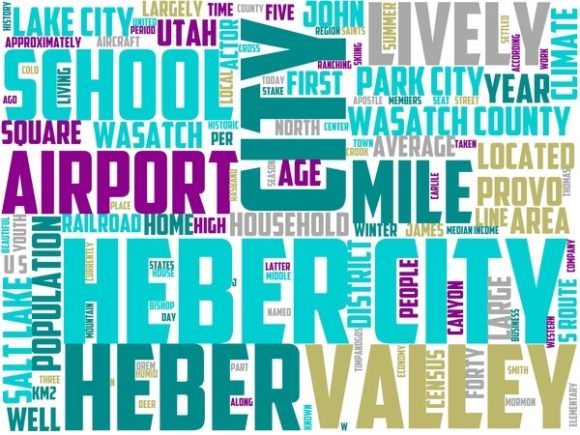
Heber City Wordart Banner
Imagine a vibrant, hand-drawn wordcloud—alive with color, texture, and intention—that doesn’t just say something, but *feels* like a place, a mood, a memory. That’s the Heber City Wordart Banner: not a generic template, but a thoughtfully composed visual anchor rooted in the spirit of Heber City—its mountains, its community, its quiet strength—and designed to spark real creative work.
This isn’t clipart. It’s crafted with organic linework, balanced spacing, and intentional typography that invites interaction. Words like “adventure,” “home,” “summit,” “trail,” “gather,” and “wild” nestle together—not randomly, but with rhythm and hierarchy—so they’re legible at a glance yet rich on closer look. Its hand-drawn quality adds warmth and authenticity, making it ideal for projects where personality matters more than polish.
Why Designers & Marketers Reach for This Wordart
Because it bridges concept and execution. A wordcloud like the Heber City Wordart Banner works where text alone falls short: communicating layered meaning without long copy, reinforcing brand voice visually, or anchoring a design with thematic clarity. For small business owners in outdoor gear, local tourism, or wellness services, it subtly signals values—resilience, connection, natural beauty—without stating them outright.
Marketers use it to unify campaigns across touchpoints: a single banner adapts seamlessly from an Instagram story background to a booth backdrop at a Heber City farmers’ market, then to a limited-run tote bag. Its flexibility comes from smart design—not overcomplication. The color palette is versatile (think sage, clay, sky blue, warm charcoal), so it prints cleanly on fabric, foil-stamps crisply on paper, and holds up well as a vector for signage.
Real Projects, Real Applications
Here’s how creators are putting it to work—no hypotheticals, just grounded examples:
- Local educators print the Heber City Wordart Banner onto classroom posters for a “Community & Place” unit—then invite students to annotate or extend it with their own words about what Heber means to them.
- Fashion designers scale the wordcloud to fit the back yoke of a linen shirt, using only the mountain-related terms (“peak,” “ascent,” “ridge”) in monochrome embroidery for subtle storytelling.
- Event planners layer it behind clean sans-serif headings on wedding programs—keeping the banner soft-focused and muted so names and times stay dominant, but the sense of location remains unmistakable.
- Small-batch ceramicists trace key phrases onto mugs and plates using underglaze pens, treating the wordcloud as a source library rather than a fixed image—choosing “brew,” “pause,” and “view” for a café collaboration.
- Nonprofit communicators embed it into annual report infographics—not as decoration, but as a visual index linking program goals (“youth mentorship,” “trail stewardship,” “local food access”) directly to community identity.
Adapting for Different Audiences & Formats
The power of the Heber City Wordart Banner lies in how easily it shifts tone and function—without losing coherence. For a younger audience, simplify color contrast and isolate playful words (“explore,” “splash,” “climb”) for stickers or school notebooks. For professional contexts, desaturate slightly and pair with structured layouts—say, alongside a clean logo and contact info on a business card, where the wordcloud adds warmth without competing.
Digital use? Export as high-res PNG for web banners or SVG for scalable icons and app graphics. Print? Use the vector file for crisp results on everything from letterpress stationery to large-format canvas wraps. For textile design, test repeat patterns by mirroring or rotating sections—not the whole cloud—to avoid visual fatigue while keeping the essence intact.
Staying Clear, Consistent, and Original
Avoid clutter by limiting how many elements you layer *on top* of the banner. If it’s the focal point, let it breathe: one font family for supporting text, generous margins, and intentional white (or negative) space. If you’re customizing it—say, swapping in locally relevant terms—keep the original stroke weight and spacing logic. That consistency preserves readability and avoids turning thoughtful design into visual noise.
Originality isn’t about reinventing the banner—it’s about how you apply it. One craft supplier used it as a base for seasonal product tags: in winter, they highlighted “cozy,” “ember,” and “still”; in summer, “trail,” “river,” and “sunrise.” Same file. New resonance. That kind of thoughtful reinterpretation builds authenticity far more than chasing trends.
Practical Tips Before You Start
- Know your output first. Need it for embroidery? Stick to bold, unbroken letterforms—avoid fine serifs or overlapping words. Printing on kraft paper? Boost contrast slightly to compensate for warmth in the substrate.
- Test legibility early. Zoom out to 25%. Can you still recognize three core words? If not, adjust spacing or weight before committing to production.
- Respect context. A banner meant for a Heber City Chamber of Commerce brochure shouldn’t compete with photos of Main Street—it should complement them. Try overlaying at 15–30% opacity to see how it integrates.
- Think beyond the rectangle. Cut the wordcloud shape from vinyl for wall decals. Use it as a mask in Photoshop to reveal texture underneath. Turn individual words into die-cut magnets or wooden charms.
At its best, the Heber City Wordart Banner doesn’t shout. It invites—invites collaboration, interpretation, and care. Whether you’re designing a festival poster for a local music series, updating your Etsy shop banner, or creating a keepsake journal for a friend who loves the Uintas, it offers structure without rigidity, inspiration without prescription.
That’s the quiet strength of well-made wordart: it gives people permission to begin—not with a blank page, but with a shared language, already drawn, already alive with possibility.