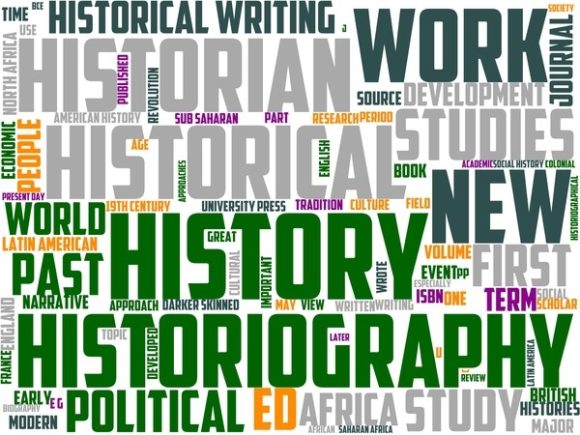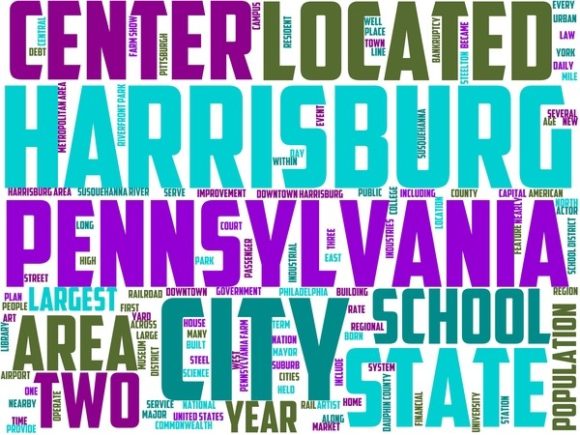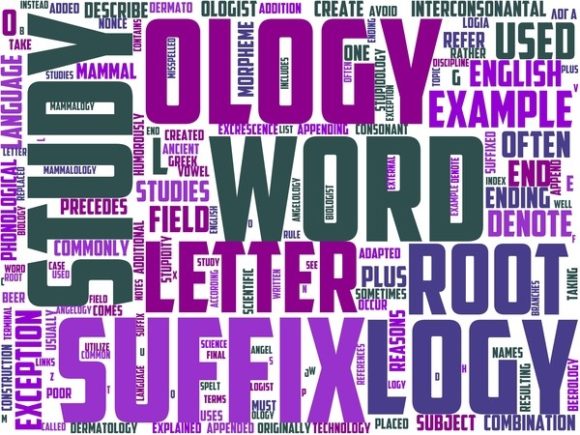
Galvanology Wordart Book Cover
Galvanology Wordart Book Cover isn’t just a design—it’s a versatile, hand-drawn wordcloud built for real creative work. Every word is carefully placed, each letter drawn with intention, and the whole composition bursts with color, texture, and quiet energy. It’s not generic clip art. It’s crafted to carry meaning while staying flexible enough to adapt across formats, audiences, and intentions.
What makes it stand out is its balance: organic yet organized, expressive yet legible, decorative yet functional. The words—drawn in varying weights, angles, and hues—form a cohesive visual field without overwhelming the eye. That’s why designers, educators, and small business owners reach for it when they need something that feels human-made, not algorithmically assembled.
More Than Just a Cover—A Creative Starting Point
Think of Galvanology Wordart Book Cover as a foundation—not an endpoint. Its layered, colorful wordcloud structure invites reinterpretation. You might isolate a single phrase (“curiosity,” “resilience,” “create”) and scale it for a tote bag tag. Or extract the color palette—warm ochres, deep teals, soft corals—and apply it to a matching set of workshop handouts or Instagram story templates.
Because it’s hand-drawn, it avoids the flatness of vector-only assets. When printed on fabric or textured paper, the subtle line variation adds tactility. When digitized for e-book covers or digital newsletters, it holds warmth without sacrificing clarity—even at smaller sizes.
Practical Uses Across Real Projects
Here’s where Galvanology Wordart Book Cover earns its place in your toolkit:
- Clothing & Accessories: Print it on cotton tees, linen scarves, or ceramic mugs—its balanced density prevents ink bleed, and its non-repetitive layout keeps each item feeling unique.
- Educational Materials: Teachers use sections of the wordcloud in classroom posters about growth mindset or scientific inquiry—students recognize familiar terms while absorbing visual rhythm and hierarchy.
- Small Business Branding: A boutique yoga studio overlays part of the wordcloud onto a neutral background for workshop banners; a freelance writer uses a cropped corner as a watermark on client-facing PDFs.
- Packaging & Product Design: Handmade soap makers print simplified versions on kraft paper labels; stationery brands integrate individual words into foil-stamped notebook covers.
- Digital & Social Content: Bloggers embed resized sections into Pinterest pins or email headers—adding visual interest without competing with body text.
The key is selective use. You don’t always need the full composition. Zoom in. Rotate. Flip horizontally. Adjust saturation—not to “fix” it, but to match your brand’s voice or seasonal tone.
Adapting for Different Audiences
A marketer launching a wellness program might emphasize words like “balance,” “breathe,” and “intention”—then pair them with muted sage and clay tones. An educator designing a STEM summer camp could highlight “experiment,” “observe,” and “question,” layering those over graph paper textures or circuit-line motifs.
Freelancers often repurpose Galvanology Wordart Book Cover across multiple client projects—but stay consistent by anchoring each adaptation to one core principle: clarity first, decoration second. If the message gets lost in color or density, scale back. Reduce contrast. Add breathing room. Use white space as deliberately as you use ink.
Getting Consistent, Professional Results
Consistency doesn’t mean repetition—it means intentionality across touchpoints. Start by defining your primary use case: Is this for print? Digital? Fabric? Each medium has constraints. For screen use, test legibility at 120px width. For embroidery or screen printing, simplify outlines and avoid fine interior details.
When combining Galvanology Wordart Book Cover with typography, choose clean, neutral fonts (like Inter, Lato, or Source Sans) for supporting text. Let the hand-drawn quality shine *alongside* structure—not in competition with it.
For branding cohesion, limit your color adjustments to two or three base hues from the original palette. Pull one dominant color for headlines, one secondary for accents, and keep backgrounds simple—off-white, warm gray, or natural kraft.
Ideas That Spark Action—Not Just Inspiration
Try these grounded starting points:
- Create a “Word Cloud Journal”: Print Galvanology Wordart Book Cover on heavy stock, then cut out individual words. Use them in bullet journals, vision boards, or as tactile prompts during team brainstorming.
- Design a Series of Mini-Posters: Select five related words (e.g., “learn,” “try,” “pause,” “reflect,” “grow”). Place each on its own 5×7” print with consistent margins and font pairing—ideal for classrooms, therapy offices, or co-working spaces.
- Build a Promotional Toolkit: Export three versions—one full-color, one monochrome, one outlined only—and save them as PNGs with transparent backgrounds. Use them across Canva templates for flyers, email headers, and social banners.
- Integrate Into Teaching Resources: Drop a section of the wordcloud into a Google Slides template as a recurring header. Students begin to associate the visual with your course theme—without needing explanation.
No special software is required to get started. Even basic tools like PowerPoint or Google Docs handle PNG layers well. For deeper customization, open the file in Affinity Designer or Illustrator to adjust spacing, recolor individual words, or export specific segments as SVGs.
Why This Resonates With Real Creators
People aged 20–50—especially those juggling side projects, client work, or teaching loads—don’t need more complexity. They need assets that save time *and* elevate quality. Galvanology Wordart Book Cover delivers that because it’s designed for reuse, not just display.
It works whether you’re designing a limited-run zine or launching a podcast brand kit. It supports storytelling without dictating it. And because it’s hand-drawn—not AI-generated—it carries the quiet authenticity today’s audiences respond to.
Use it as-is when speed matters. Edit it thoughtfully when distinction does. Either way, let the words guide the work—not the other way around.