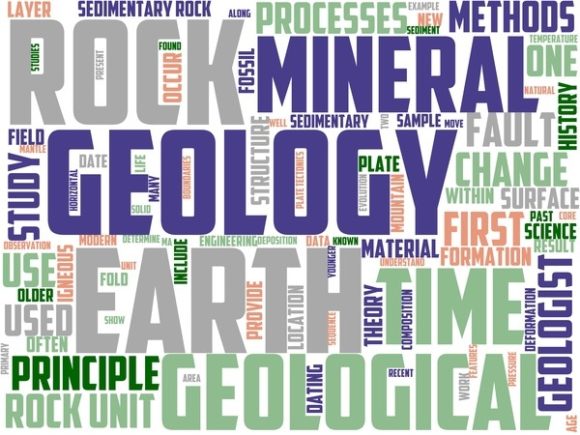
Geology Wordart Background
If you’ve ever flipped through a geology textbook and paused at the vibrant diagrams of rock strata, fossil timelines, or mineral families — or if you’ve admired the organic swirl of sedimentary layers on a hiking trail — then you’ll instantly feel the quiet energy of a Geology Wordart Background. It’s not just decorative typography. It’s a hand-drawn, colorful wordcloud where terms like “basalt,” “fossil,” “tectonic,” “quartz,” “erosion,” and “sediment” flow together like natural formations — layered, textured, and alive with intention.
This isn’t clipart. It’s crafted with warmth and curiosity — think watercolor edges, subtle ink textures, varied font weights that mimic geological time (some words bold and volcanic, others delicate as silt). Because it’s hand-drawn, each version carries gentle irregularity: no sterile vectors here. That human touch makes it ideal for projects where authenticity and approachability matter — whether you're launching an earth science workshop or designing cozy home goods for nature lovers.
Where This Wordart Fits Like a Perfect Stratigraphic Layer
Teachers, educators, and curriculum designers use the Geology Wordart Background to turn abstract concepts into visual anchors. A middle school science teacher might print it onto large-format posters for classroom walls — students begin recognizing terms before they even read definitions. High school AP Environmental Science instructors layer it behind student project presentations, subtly reinforcing vocabulary without overwhelming slides. Even university outreach coordinators use it in digital banners for field trip sign-ups — the imagery feels grounded, credible, and inviting.
Crafters and small-batch makers rely on this design for tactile, meaningful products. Imagine it screen-printed onto organic cotton tote bags sold at a local museum gift shop — customers don’t just buy a bag; they carry a conversation starter about Earth’s history. Or stitched into linen pillow covers for a geologist’s birthday — playful but precise, scientific but soft. One Etsy seller told us she uses the same Geology Wordart Background across six product types (mugs, stickers, notebook covers, enamel pins, greeting cards, and fabric swatches) and reports consistent repeat buyers who say, “It’s the only design that feels *true* — not cartoonish, not cold.”
More Than Just Pretty Words: Real Use Cases Across Industries
- Museums & Nature Centers: Printed on laminated trail guides, used as background texture in exhibit panel headers, or scaled down for interactive touchscreen overlays during fossil dig simulations.
- Educational Publishers: Embedded into chapter openers of K–12 earth science workbooks — helping visual learners map vocabulary before diving into dense text.
- Sustainable Brands: Applied to packaging for eco-friendly skincare lines inspired by mineral-rich clays or volcanic ash — the wordcloud adds storytelling depth without greenwashing clichés.
- Wedding Planners & Stationers: Customized for geologist couples — “igneous,” “metamorphic,” and “unconformity” become sweet inside jokes on invitations and ceremony programs.
- Therapists & Wellness Coaches: Used in grounding exercises — clients trace “bedrock,” “pressure,” or “formation” with their fingers while breathing, linking geologic metaphors to emotional resilience.
Who Gets the Most Out of It — And Why
Freelance designers appreciate how easily the Geology Wordart Background adapts: it scales cleanly from business card size to 48" trade show banners, and its transparent PNG format drops seamlessly into Canva, Adobe Illustrator, or Procreate. But it’s not just about convenience — it’s about resonance. A graphic designer working with a soil conservation nonprofit told us, “Clients trust us more when our visuals *feel* scientifically literate — not flashy, not dumbed-down. This wordcloud bridges that gap.”
DIY crafters love that it works equally well with heat-transfer vinyl, sublimation printing, or traditional block printing. No special software needed — many use free tools like Photopea or even PowerPoint to adjust saturation or crop sections for specific items (e.g., isolating “granite” and “gneiss” for a pair of cufflinks). Parents homeschooling through a unit on plate tectonics have printed mini versions on sticker paper — kids arrange them on maps to label real-world locations.
Things to Consider Before You Use It
Because it’s rich with layered text, legibility matters most at smaller sizes. Below 3 inches wide, avoid using the full cloud — instead, select 3–5 key words and enlarge those individually. If your project requires strict brand color matching (e.g., corporate blue), know that most versions come in editable RGB files — but the hand-drawn texture means exact Pantone matching isn’t guaranteed without minor retouching.
Also keep audience context in mind. While educators and science communicators often embrace the full vocabulary, general retail audiences respond better when the wordcloud is paired with a clear focal point — like a centered illustration of a trilobite or a mountain silhouette. The words support the story; they shouldn’t compete with it.
And one gentle note: because it celebrates real geoscience terms, it’s not meant for parody or ironic use (e.g., “my coffee addiction is *metamorphic*”). Its strength lies in sincerity — in honoring how language and land shape each other over time.
Why It Works Where Other Designs Fall Short
Generic “nature” or “science” backgrounds often rely on stock icons — beakers, leaves, globes — that feel interchangeable. The Geology Wordart Background avoids that trap by being deeply specific yet warmly accessible. It doesn’t assume expertise, but it also doesn’t oversimplify. A fifth grader can point to “sandstone” and connect it to their beach visit. A professional hydrogeologist sees “aquifer” and feels seen.
Its versatility comes from balance: the colors are saturated enough to pop on textiles, but muted enough to print economically on recycled paper. The layout has rhythm — no chaotic scattering — so it reads as intentional, not busy. And because it’s rooted in real terminology, it supports learning, memory, and identity-building all at once.
Whether you’re updating your geoscience department’s newsletter header, designing a limited-run scarf for Earth Day, or creating a custom journal for a field geologist’s retirement gift — this wordcloud doesn’t just fill space. It invites attention, sparks recognition, and quietly says: You belong here. This subject matters. So do you.