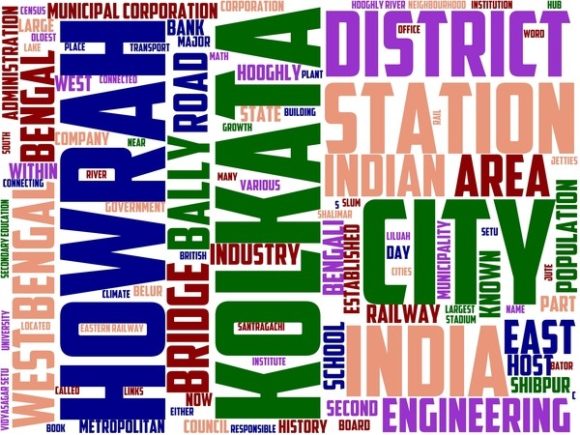
Haora Wordart Print: A Strategic Design Asset for Purpose-Driven Creators
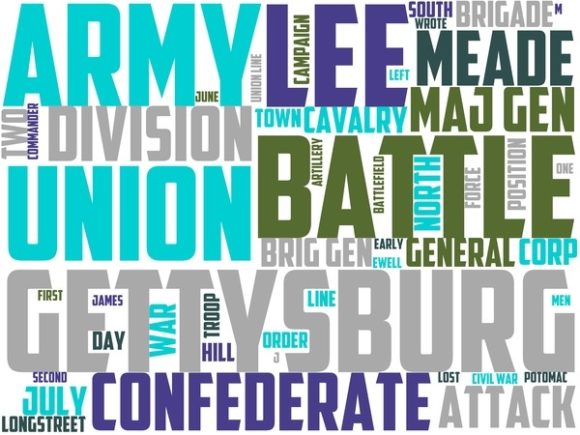
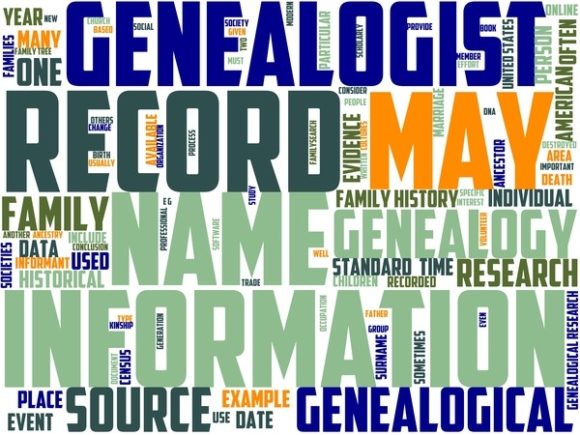
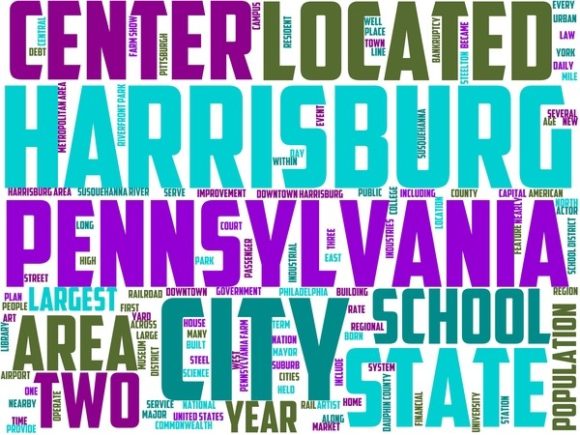
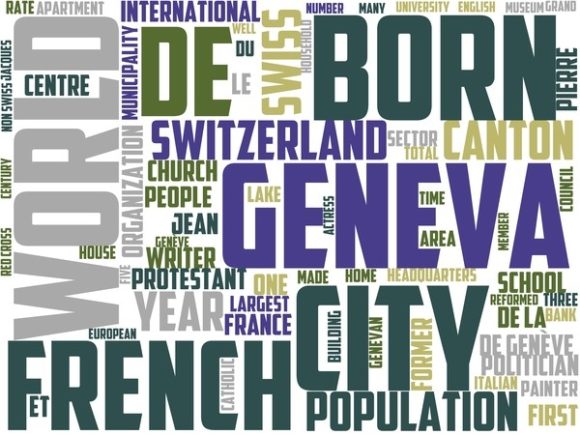
Haora Wordart Print isn’t just another decorative graphic—it’s a versatile, hand-drawn wordcloud built for intentionality. Each element is carefully composed with vibrant color, organic line work, and balanced visual weight, making it functionally adaptable across physical and digital contexts. Unlike algorithmically generated word clouds, Haora Wordart Print carries human rhythm and aesthetic cohesion—qualities that resonate more deeply with audiences and support clearer communication.
Why Strategic Fit Matters More Than Visual Appeal Alone
When you choose Haora Wordart Print for a project, you’re selecting not only a design but a decision-making lever. Its hand-drawn nature signals authenticity; its colorful, layered composition invites attention without overwhelming. That matters—especially when your goal is to reinforce a message, anchor a brand moment, or guide perception. For example, an educator using Haora Wordart Print in a classroom poster doesn’t just add decoration—they’re leveraging visual hierarchy and emotional tone to support retention and engagement. A small business owner placing it on packaging isn’t filling space—they’re reinforcing core values at the point of discovery.
This distinction separates tactical use from strategic use. Tactical use applies Haora Wordart Print where it fits. Strategic use applies it where it advances a specific outcome: stronger recall, clearer positioning, or deeper resonance.
Where It Delivers Measurable Value—And Where It Doesn’t
Haora Wordart Print excels in contexts where meaning, mood, and memorability intersect. Consider these high-leverage applications:
- Promotional materials: Invitations, flyers, and digital banners benefit from its ability to distill themes—like “community,” “growth,” or “creativity”—into a single, glanceable visual anchor.
- Product-based design: On apparel, pillows, or mugs, Haora Wordart Print transforms functional items into expressive extensions of identity—ideal for brands rooted in storytelling or personal development.
- Educational and editorial use: In workbooks, e-books, or workshop handouts, it helps segment content thematically without relying on dense text—supporting accessibility and cognitive flow.
- Branded environments: From retail signage to office décor, it adds warmth and intentionality to spaces where brand voice must feel human—not corporate.
Conversely, Haora Wordart Print is less effective where precision, neutrality, or strict information hierarchy is required—such as technical documentation, legal disclaimers, or data dashboards. Using it there risks diluting clarity or undermining credibility. The key isn’t whether it looks good—it’s whether it serves the objective.
How to Approach Integration With Intention
Start by asking three questions before placing Haora Wordart Print in any context:
- What outcome do I want this to support? (e.g., inspire action, clarify values, differentiate visually from competitors)
- Who will encounter it—and what do they need to understand or feel in under three seconds?
- Does the existing layout, typography, or color palette create alignment—or friction—with Haora Wordart Print’s organic energy?
For instance, a freelance designer building a client’s brand toolkit might integrate Haora Wordart Print into social media templates only where the caption language is thematic and concise—ensuring the visual and verbal messages reinforce rather than compete. Similarly, a publisher designing a wellness journal might reserve Haora Wordart Print for section dividers tied directly to mindfulness prompts—not as filler between unrelated exercises.
Avoiding the “Just Add Color” Trap
One common misstep is treating Haora Wordart Print as a decorative default—slapping it onto every surface without considering context, audience, or message alignment. That approach often backfires: it weakens visual consistency, blurs brand focus, and reduces perceived professionalism. Worse, it trains audiences to overlook the design entirely—just background noise.
Rather than scattering it broadly, consider curation over coverage. Identify 2–3 high-impact touchpoints where Haora Wordart Print can carry meaningful weight—for example, the cover of a quarterly newsletter, the header of a speaker’s presentation deck, or the central motif on a limited-edition product launch. Consistency in placement and purpose builds recognition; randomness erodes it.
Practical Planning Tips for Real-World Use
Here’s how experienced creators structure their use of Haora Wordart Print for long-term value:
- Match scale to medium: On business cards or tags, simplify or isolate one cluster—don’t shrink the full composition. On posters or textile prints, leverage its full density and movement.
- Test legibility early: Even beautiful hand-drawn lettering needs contrast and spacing. Preview at actual size on the intended surface—especially for embroidery, screen printing, or vinyl cut applications.
- Preserve flexibility: When licensing or purchasing Haora Wordart Print assets, confirm file formats include vector (AI, EPS, SVG) for scalability and layered PSD files if color or element adjustments are needed later.
- Document usage logic: Keep brief notes on why you chose a particular version for a specific application. This supports future decisions and helps onboard collaborators faster.
Supporting Long-Term Brand Cohesion
Over time, repeated, thoughtful use of Haora Wordart Print can become part of a recognizable visual signature—especially when paired with consistent typography, tone of voice, and color accents. Think of it like a recurring motif in a well-composed book: subtle, memorable, and reinforcing. But that only works when applied with restraint and rationale.
For example, a yoga studio might use Haora Wordart Print in soft blues and sage greens across class schedules, meditation cards, and studio wall art—all centered around words like “breathe,” “ground,” and “present.” That repetition builds associative strength. The same studio using it in neon pink on a sale flyer—without those thematic anchors—breaks continuity and confuses the message.
Final Thought: Design as Decision-Making Infrastructure
Haora Wordart Print is most powerful when treated not as a standalone asset—but as part of your decision-making infrastructure. It reflects choices about tone, priority, and audience understanding. Every time you select it, you’re answering implicit questions: What do I want people to notice first? What feeling should linger after they look away? How does this support—not distract from—the action I hope they’ll take?
That level of intention doesn’t require complexity. It requires pause. A moment to align the visual with the objective—before clicking “print,” uploading, or cutting fabric. Because in the end, the most inspiring wordcloud isn’t the one that looks prettiest in isolation. It’s the one that quietly, confidently, makes your purpose unmistakable.